January 28, 2026 · 7 min read
QR ordering isn't a gimmick: how guided menus lift average order value
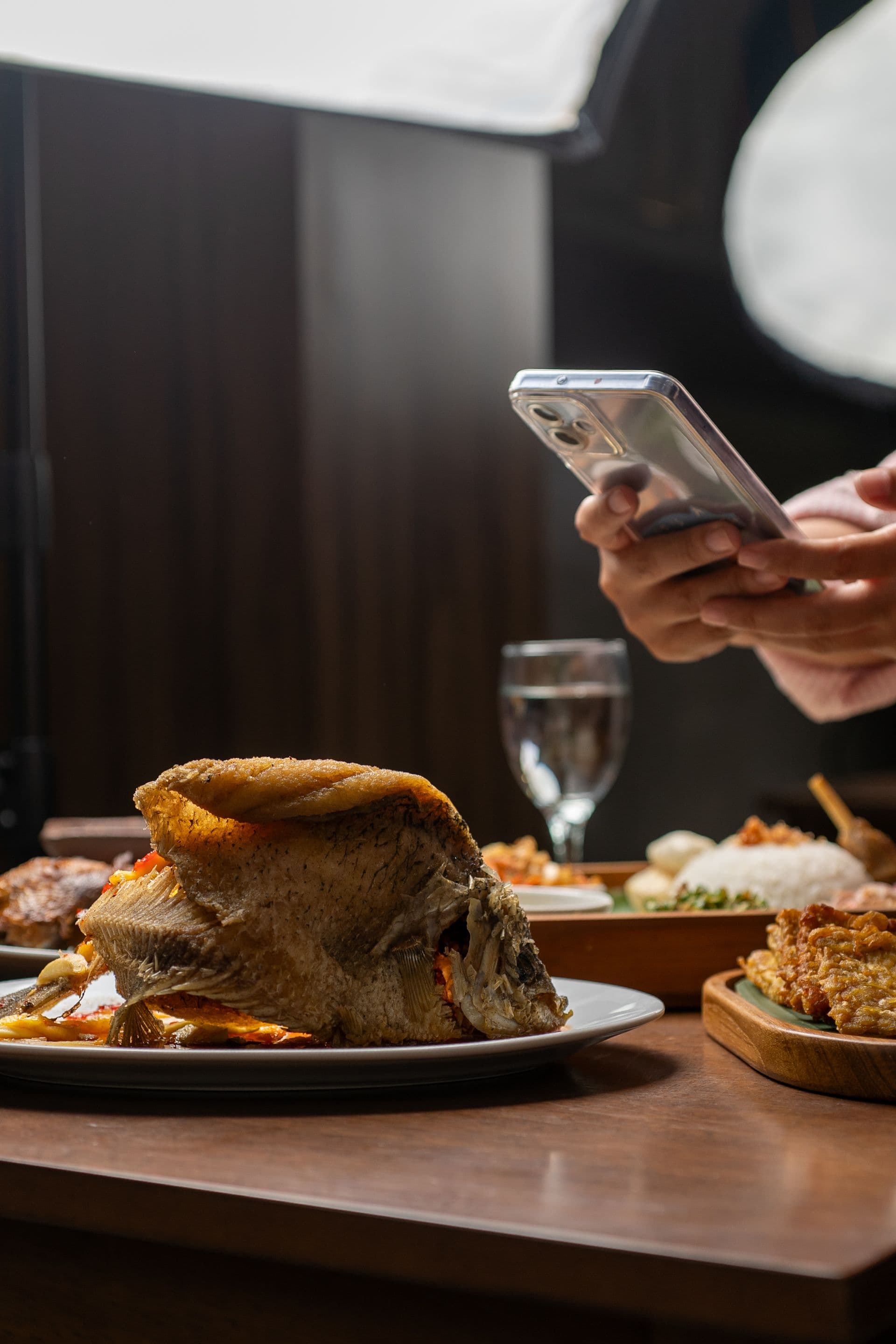
QR ordering earned a bad reputation early on: a static PDF menu behind a scan, no faster and no smarter than the laminated version it replaced. That version deserved the skepticism it got. But a guided, personalized menu behind that same QR code is a genuinely different product, and the difference shows up directly in average order value.
Guests don't need more choices. They need a faster decision
A long menu doesn't make guests feel taken care of, it makes them anxious about picking wrong. The highest-performing guided menus don't add options, they narrow them: a short taste quiz, a handful of tailored suggestions, and a clear "most people also order" prompt at the moment a guest is deciding.
Where the lift actually comes from
- Recommendations weighted toward dishes that are both well-loved and high-margin, not just whatever is easiest to prep.
- Upsell prompts placed at the moment of decision (right after a main is chosen), not buried in a separate "extras" tab guests never open.
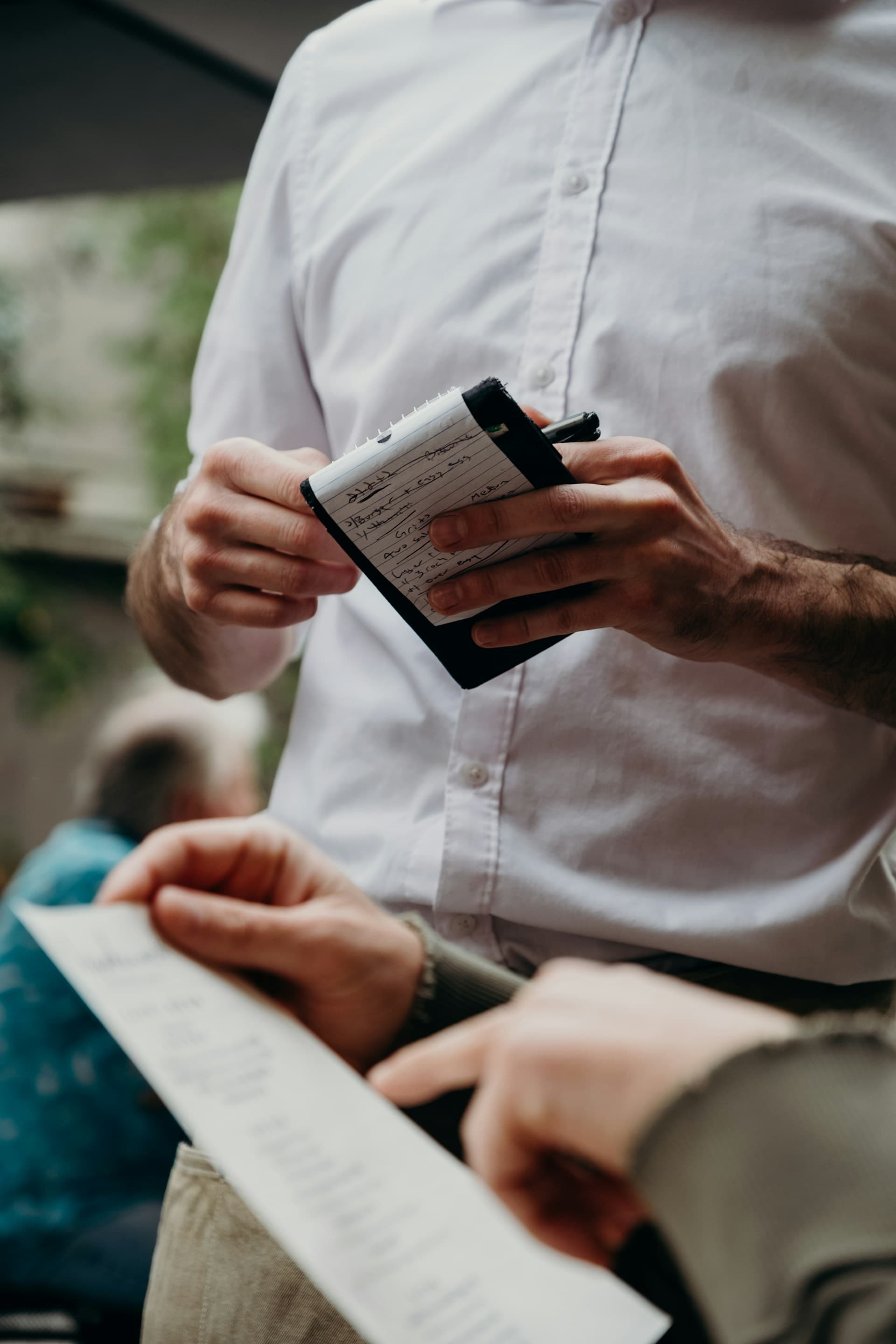
- Fewer "what's good here?" questions at the table, freeing servers to spend that time on guests who need it.
The QR code was never the feature. What the menu does after the scan is.
No app, no download, no friction
The moment a guided menu asks a guest to download an app is the moment most of them close the tab instead. Palyt's taste-matching layer runs entirely in the browser behind a single scan: a quick quiz, personalized suggestions, done, which is exactly why the lift in order value survives contact with a genuinely impatient dinner rush.